THE FIELD GUIDE VOL. IX

117 Champagnes, Decoded

Filter by cuvée style, chalk cellar lees aging duration, and dosage sweetness.

THE FIELD BOARD

Effervescence & Méthode Champenoise

Champagne Styles Explained

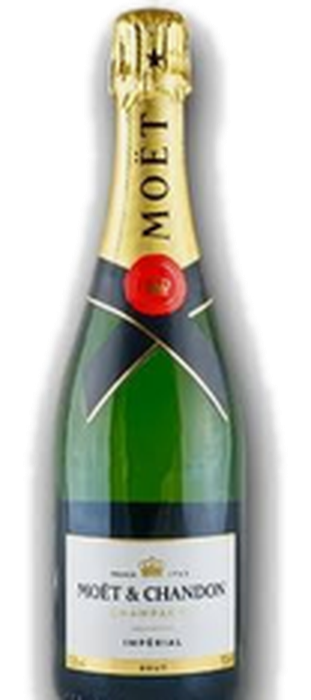
01 Moët Impérial bottle

Non-Vintage Brut

House Style • Minimum 15 Months

A blend across several harvests built to taste the same every year. It must rest at least fifteen months, twelve of them on the lees.

  • Consistent
  • Apple
  • Citrus
  • Fine bead

BottlesMoët Impérial • Veuve Clicquot Yellow Label • Bollinger Special Cuvée

Best forAperitif • French 75 • Mimosa

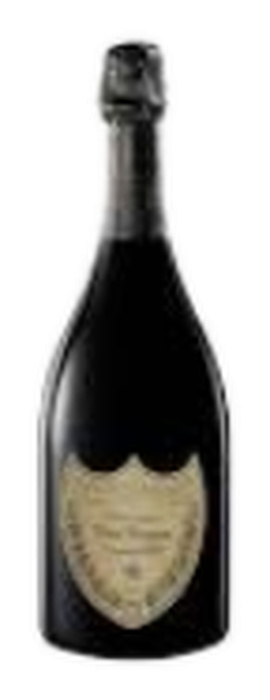
02 Dom Pérignon bottle

Vintage

Single Year • Minimum 36 Months

Declared only in years the house considers strong enough, and held on the lees for at least three years before release.

  • Toasty
  • Nutty
  • Deeper
  • Age worthy

BottlesDom Pérignon • Pol Roger Vintage • Taittinger Brut Millésimé

Best forSipping • Food pairing • Cellaring

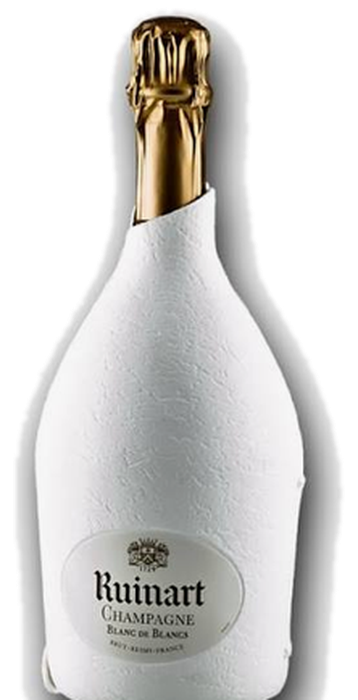
03 Ruinart Blanc de Blancs bottle

Blanc de Blancs

White Grapes Only • Chardonnay

Made entirely from white grapes, in practice almost always Chardonnay from the Côte des Blancs.

  • Chalky
  • Lemon
  • Precise
  • Linear

BottlesRuinart Blanc de Blancs • Taittinger Comtes de Champagne

Best forOysters • Aperitif • Fine seafood

04 Bollinger Vieilles Vignes Françaises bottle

Blanc de Noirs

Black Grapes • Pinot Noir & Meunier

A white wine pressed gently from black grapes, so no colour is extracted from the skins.

  • Broad
  • Red apple
  • Weighty
  • Structured

BottlesBollinger Vieilles Vignes Françaises • Krug Clos d'Ambonnay

Best forPoultry • Rich starters • Sipping

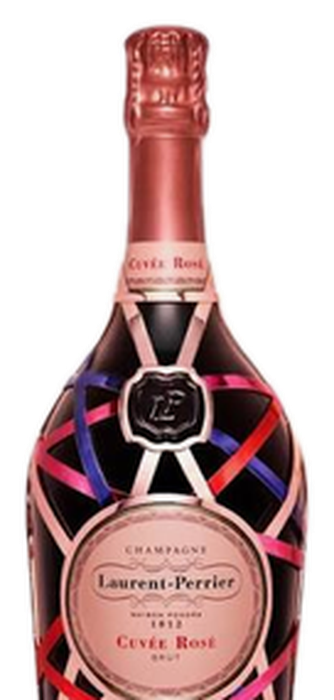
05 Laurent-Perrier Cuvée Rosé bottle

Rosé Champagne

Blended or Bled

Champagne is the rare region where blending still red wine into white is permitted, though some houses use short skin maceration instead.

  • Red berry
  • Fuller
  • Textured
  • Food friendly

BottlesLaurent-Perrier Cuvée Rosé • Billecart-Salmon Brut Rosé

Best forCharcuterie • Salmon • Aperitif

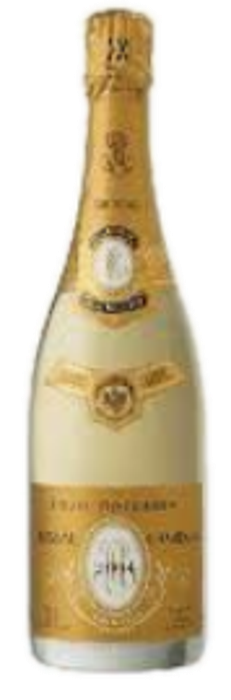
06 Louis Roederer Cristal bottle

Prestige Cuvée

Top of the House Range

The flagship bottling, usually from the best parcels and given far longer ageing than the rules demand.

  • Complex
  • Long lees
  • Layered
  • Expensive

BottlesDom Pérignon • Louis Roederer Cristal • Krug Grande Cuvée

Best forOccasions • Slow drinking from a white wine glass

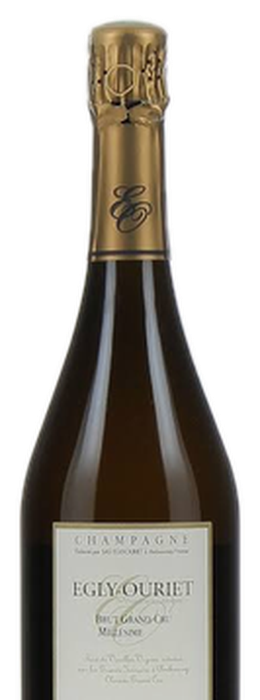
07 Egly-Ouriet bottle

Grower Champagne

Récoltant-Manipulant • Marked RM

Made by the same estate that farmed the grapes. Look for the small RM code printed near the bottom of the label.

  • Site driven
  • Individual
  • Small scale
  • Terroir led

BottlesEgly-Ouriet • Pierre Péters • Vilmart & Cie

Best forWine lists • Food pairing • Comparative tastings

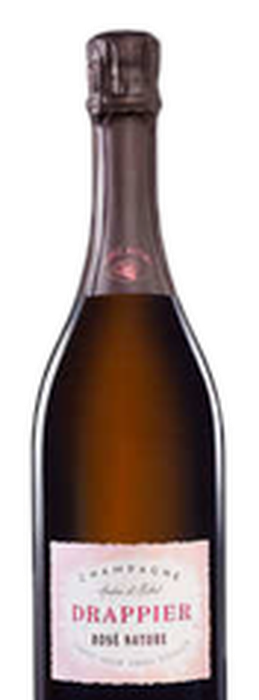
08 Drappier Brut Nature bottle

Brut Nature

Zero Dosage • Under 3 g/L

Bottled with no added sugar after disgorgement, leaving the wine bare and unusually dependent on ripe fruit.

  • Bone dry
  • Saline
  • Taut
  • Uncompromising

BottlesDrappier Brut Nature • Tarlant Zero

Best forShellfish • Sushi • Purist aperitif

09 Moët Impérial Nectar bottle

Demi-Sec

Sweet Style • 32 to 50 g/L

Noticeably sweet Champagne, closer to the way the region was drunk in the nineteenth century.

  • Sweet
  • Honeyed
  • Round
  • Dessert friendly

BottlesVeuve Clicquot Demi-Sec • Moët Nectar Impérial

Best forFruit desserts • Cake • Blue cheese

Sweetness Scale

Champagne dosage levels and residual sugar in grams per litre
Label TermSugar (g/L)TasteServe With
Brut Nature0 to 3, none addedBone dryOysters
Extra Brut0 to 6Very dryShellfish
BrutUnder 12DryAnything
Extra Dry12 to 17Off dryBrunch
Sec17 to 32Lightly sweetPastry
Demi-Sec32 to 50SweetDessert
DouxOver 50Very sweetRich dessert

Myth vs Fact

MythExtra Dry Champagne is the driest option on the list.

FactExtra Dry is sweeter than Brut. The scale runs Brut Nature, Extra Brut, Brut, Extra Dry, Sec, Demi-Sec, Doux.

Did You Know

Only sparkling wine from the delimited Champagne region of France may use the name. Everything else made the same way is labelled Crémant, Cava, Franciacorta or traditional method.

Behind the Bar

Skip the coupe and the narrow flute for serious bottles. A white wine glass gives the aromatics room, and a chilled bottle opened with a twist of the base rather than the cork keeps the pressure under control.